
Introduction
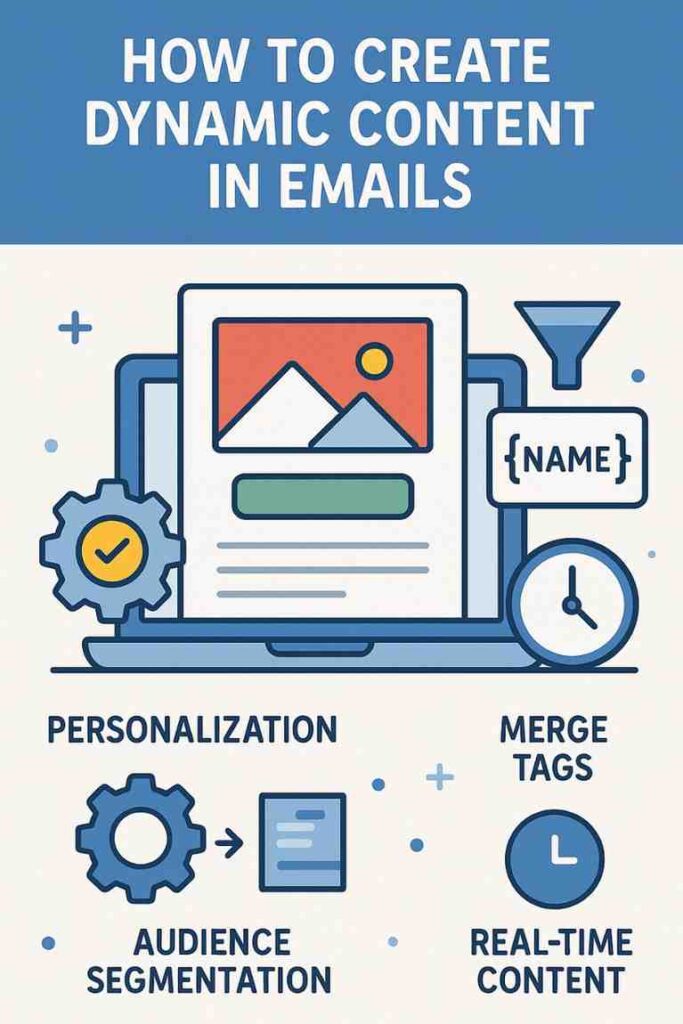
Email marketing has evolved far beyond generic, one-size-fits-all newsletters. In today’s digital landscape, users expect personalized, relevant, and timely communication. This is where dynamic content in emails comes into play. It enables marketers to create tailored experiences for individual subscribers based on their behavior, preferences, demographics, or interactions with your brand.
Dynamic content transforms static email messages into adaptive, smart messages that shift depending on who the reader is. Whether it’s displaying different product recommendations, location-specific offers, or using the recipient’s name and preferences — dynamic content significantly boosts engagement, click-through rates (CTR), and conversions.
In this in-depth guide, we’ll explain what dynamic content is, how it works, the tools you need, best practices for implementation, and a real-world example to show how dynamic content enhances performance.
What is Dynamic Content in Emails?
Dynamic content refers to elements within an email that change automatically based on the recipient’s data, behaviors, or characteristics. Unlike static content, which remains the same for everyone, dynamic content allows marketers to tailor email content for individual subscribers in real time.
This technique uses placeholders or conditional logic to display different content blocks to different users, all within the same email campaign.
Examples of Dynamic Content Include:
-
First names in subject lines or greetings (
Hi John!) -
Location-specific promotions (
Free shipping in California) -
Gender-specific product displays
-
Recommendations based on browsing or purchase history
-
Membership level offers (Basic vs Premium)
-
Time-sensitive or real-time elements (live countdowns, dynamic stock status)
Why Use Dynamic Content?
Dynamic content significantly improves the effectiveness of your email marketing campaigns. Here’s why:
-
Personalization Boosts Engagement: Personalized emails get 29% higher open rates and 41% higher click-through rates.
-
Improved User Experience: Dynamic content delivers information users care about, reducing unsubscribes and spam complaints.
-
Increased Conversions: When emails are tailored to needs and behavior, they’re more likely to lead to action.
-
Efficient Campaign Management: One email campaign can serve multiple audiences with fewer resources.
-
Stronger Brand Relationships: Customers feel valued and understood when messaging reflects their preferences.
How Does Dynamic Content Work?
Dynamic content is powered by conditional logic, similar to “if-then” statements in programming. Here’s a simplified example:
These rules are managed by your Email Service Provider (ESP) using user data fields, such as:
-
Name
-
Gender
-
Location
-
Interests
-
Purchase history
-
Email activity (opens, clicks)
-
Device type
Types of Dynamic Content Elements:
-
Text: Personalized names, city names, or loyalty points.
-
Images: Show different visuals based on location, gender, or interests.
-
CTAs: Customize based on purchase stage (e.g., “Buy Now” vs “Learn More”).
-
Blocks or Sections: Entire sections of an email that appear only to a certain segment.
-
Real-Time Data Widgets: Countdown timers, weather updates, or stock levels.
Tools That Help Create Dynamic Content in Emails
Several platforms support dynamic content creation. Here are some top tools that marketers use:
1. Mailchimp
-
Conditional content blocks
-
Merge tags for personalization
-
Dynamic product recommendations (with eCommerce integration)
2. ActiveCampaign
-
Dynamic content with automation
-
Conditional visibility settings for content blocks
-
Integrations with CRMs and web behavior tracking
3. HubSpot
-
Smart content based on contact lists and lifecycle stages
-
Personalization tokens
-
Real-time segmentation
4. Klaviyo
-
Dynamic product blocks based on purchase history
-
Customer behavior segmentation
-
Dynamic coupon codes
5. Salesforce Marketing Cloud
-
AMPscript and dynamic content blocks
-
Deep CRM integration
-
High-level customization and testing
6. Litmus Personalize (formerly Kickdynamic)
-
Real-time content rendering
-
Countdown timers, live pricing, and weather-based content
Steps to Create Dynamic Content in Emails
Creating effective dynamic content involves both planning and execution. Below is a step-by-step guide:
Step 1: Define Your Audience Segments
Start by identifying key segments in your audience based on:
-
Demographics (age, gender, location)
-
Behavioral data (purchase history, email engagement)
-
Psychographics (interests, values)
Example segments might include:
-
New subscribers
-
First-time buyers
-
VIP customers
-
Inactive users
-
Users from specific regions
Step 2: Choose What to Personalize
Determine which parts of the email should change for different users. This can include:
-
Subject line
-
Header image
-
Main promotional content
-
CTAs
-
Recommendations
-
Footer info (e.g., local store addresses)
Step 3: Gather Data
Effective dynamic content depends on reliable, up-to-date data. Make sure your email platform is integrated with:
-
Your CRM
-
Website analytics
-
Purchase history logs
-
Behavioral tracking tools
Step 4: Use Conditional Logic
Set conditions based on user attributes. For example:
Most ESPs use a visual builder or tags to implement these rules without code.
Step 5: Test the Content
Preview your dynamic email for multiple user types. Make sure each variation renders properly across devices and platforms.
Tools like Litmus or Email on Acid can help test across:
-
Gmail, Outlook, Yahoo
-
iOS and Android
-
Desktop vs Mobile
Step 6: Monitor and Optimize
After sending the campaign, track:
-
Open rates
-
Click-through rates (CTR)
-
Conversion rates
-
Revenue per email
Refine your segments and rules based on performance data.
Example: Dynamic Email Campaign for an Online Clothing Store
Let’s look at a practical example:
Brand: UrbanWear
Goal: Increase seasonal sales for winter clothing
Audience Segments:
-
Location (cold vs warm regions)
-
Gender
-
Purchase history (frequent vs infrequent buyers)
Email Components:
Subject Line (Dynamic):
-
IF user.location = “North” → “Stay Warm, North! ❄️ Check Out Our Winter Collection”
-
IF user.location = “South” → “Cool Breezes? See What’s New This Season”
Hero Image (Dynamic):
-
IF user.gender = “male” → Show men’s winter jackets
-
IF user.gender = “female” → Show women’s winter fashion
Product Recommendations:
-
IF frequent buyer → Show VIP winter bundle with discount
-
IF first-time buyer → Show popular items with “Free Shipping” banner
CTA (Dynamic):
-
IF user.cart.abandoned = TRUE → “Complete Your Order Now and Save 10%”
-
ELSE → “Explore the Collection”
Results:
-
28% higher click-through rate compared to static version
-
2.5x more purchases from warm regions (thanks to tailored messaging)
-
22% of abandoned carts recovered through dynamic CTAs
This is a clear example of how dynamic content leads to higher engagement, more sales, and better customer experiences.
Best Practices for Dynamic Email Content
-
Start Simple: Begin with basic personalization like names and regions before diving into complex logic.
-
Don’t Over-Personalize: Too much personalization can feel creepy or forced.
-
Test Thoroughly: Preview each version of the email across devices and segments.
-
Keep Content Modular: Design your email in content blocks to easily apply conditions.
-
Monitor Data Quality: Dynamic content is only as good as your data. Keep your CRM clean and updated.
-
Provide a Fallback: Always include default content in case user data is missing (e.g., “Hi there” instead of “Hi [First Name]”).
Conclusion
Dynamic content in emails is a powerful strategy that brings relevance, personalization, and context to every interaction. As inboxes get increasingly crowded, businesses must go beyond standard email blasts to create experiences that feel custom-made for each recipient.
By leveraging data, conditional logic, and intelligent design tools, marketers can deliver the right message to the right person at the right time — increasing engagement, building trust, and driving revenue.
With the help of tools like Mailchimp, ActiveCampaign, and Klaviyo, even small businesses can harness dynamic content without coding knowledge. As long as you have a clear strategy and quality data, you can create sophisticated email experiences that delight your audience and grow your business.
Dynamic content isn’t just the future of email marketing — it’s already here. And those who adopt it today will stay miles ahead in the competition tomorrow.